Buying Land in Indonesia: Options for Foreigners and Investors
English ArticlesComplete guide to buying land Indonesia: tips, costs, and practical recommendations for building or buying a home in Indonesia.
One of the most common questions from expats and foreign investors: can I buy land in Indonesia? This buying land Indonesia guide explains the legal framework, costs, and process in plain English.
Freehold vs. Leasehold
- SHM (Sertifikat Hak Milik): Full freehold ownership. Reserved for Indonesian citizens only. This is the strongest form of land title and cannot be held by foreigners, corporations, or mixed-marriage entities without special arrangements.
- HGB (Hak Guna Bangunan): Right to Build. Can be held by foreign-owned companies (PT PMA) for 30 years, extendable for another 20 years. This is the standard route for corporate land ownership.
- HP (Hak Pakai): Right to Use. Available to foreign individuals with KITAS or KITAP. Valid for 25–30 years and extendable. This is the most common route for expat homeowners.
- Hak Sewa: Leasehold. A contractual agreement with the landowner for a fixed period. No certificate issued — just a notarized lease agreement. Suitable for long-term rentals but offers limited security compared to title-based rights.
The Land Buying Process
The process typically takes 2–4 months from signed agreement to final certificate issuance. Start with a location search and initial due diligence. Once you identify a property, verify the certificate at the local BPN (National Land Agency) office to confirm ownership, boundaries, and encumbrances. Sign a Preliminary Agreement (PPJ) with a deposit of 5–10%. Complete full due diligence including survey, legal check, and tax clearance. Finally, sign the Deed of Sale and Purchase (AJB) at the notaris office, pay all taxes, and register the transfer at BPN.
Costs and Taxes
- BPHTB (Bea Perolehan Hak atas Tanah dan Bangunan): 5% of the transaction value (minus a tax-free threshold that varies by city). This is the largest tax cost.
- Notaris fees: Typically 0.5–1% of the transaction value, depending on complexity and property value.
- PPH (Pajak Penghasilan): 2.5% of the transaction value, paid by the seller. In practice, the buyer often reimburses the seller for this tax.
- BPN registration fees: Relatively small — usually IDR 2–5 million depending on the land area and city.
- Survey and measurement: IDR 1–3 million if the land needs re-measurement or boundary marking.
Red Flags to Watch For
- Multiple certificates: One piece of land should have one SHM. If the seller offers multiple certificates for the same land, investigate carefully.
- Disputes and sengketa: Check with the local RT/RW and neighboring landowners whether there are ongoing boundary disputes or inheritance claims.
- Land in name of deceased owner: If the certificate is still in the name of someone who has passed away, inheritance must be settled before the sale can proceed — this can take months.
- Unmatched physical vs. certificate area: The actual land area must match the certificate. Discrepancies of more than 5–10% need to be resolved through a re-measurement (ulang ukur) by BPN.
- No road access: A landlocked plot with no legal access road (jalan akses) is extremely difficult to build on and almost impossible to resell.
Can Expats Own Land Through a Company?
Yes. A PT PMA (foreign investment company) can hold HGB (Right to Build) on land. This is a common structure for larger investments. The company must have the appropriate business classification (KBLI) that permits land and building ownership for business purposes. Requirements include IDR 10 billion minimum investment for most real estate activities, at least one Indonesian director, and regular corporate reporting. This route is more expensive (legal setup costs IDR 20–50 million, ongoing compliance costs) but is the only legitimate way for foreigners to control land through a corporate structure.
Looking for the perfect plot to build your dream home? Browse iDEHUNIAN house plans first to understand what size and shape of land you need.
Read Next
Tips for Building in Indonesia
Building a house in Indonesia requires understanding of local regulations, climate, and construction practices. Always check the land certificate (SHM) before purchasing property. Apply for building permit (PBG) before starting construction — this is mandatory and protects your investment. Work with local architects and contractors who understand tropical climate design principles. Budget for 10-15% contingency fund for unexpected costs. The construction timeline for a standard house is 6-12 months depending on size and complexity. Consider using local materials which are often more suitable for the climate and more affordable. A well-planned house with proper documentation will maintain its value over time.
Produk Terkait
Lihat Semua Produk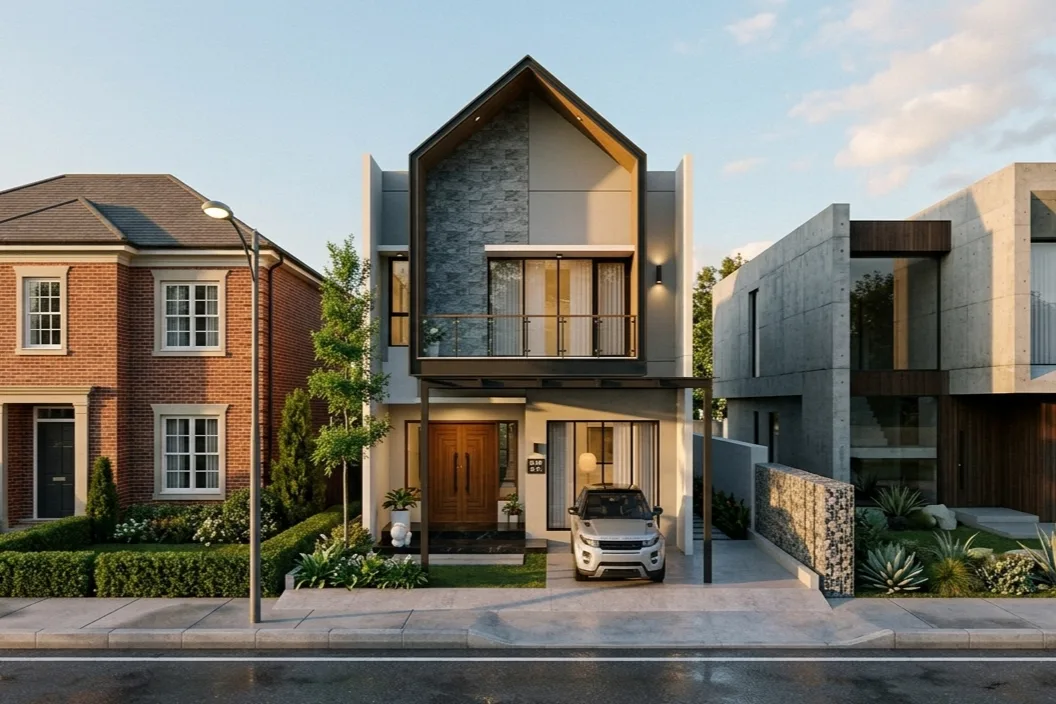 Modern
-50%
Modern
Rumah 7X18
Designed by Fast3D Studio
126 m2
182 m2
2 Lt
Gambar Kerja Tersedia
Harga desain
Modern
-50%
Modern
Rumah 7X18
Designed by Fast3D Studio
126 m2
182 m2
2 Lt
Gambar Kerja Tersedia
Harga desain
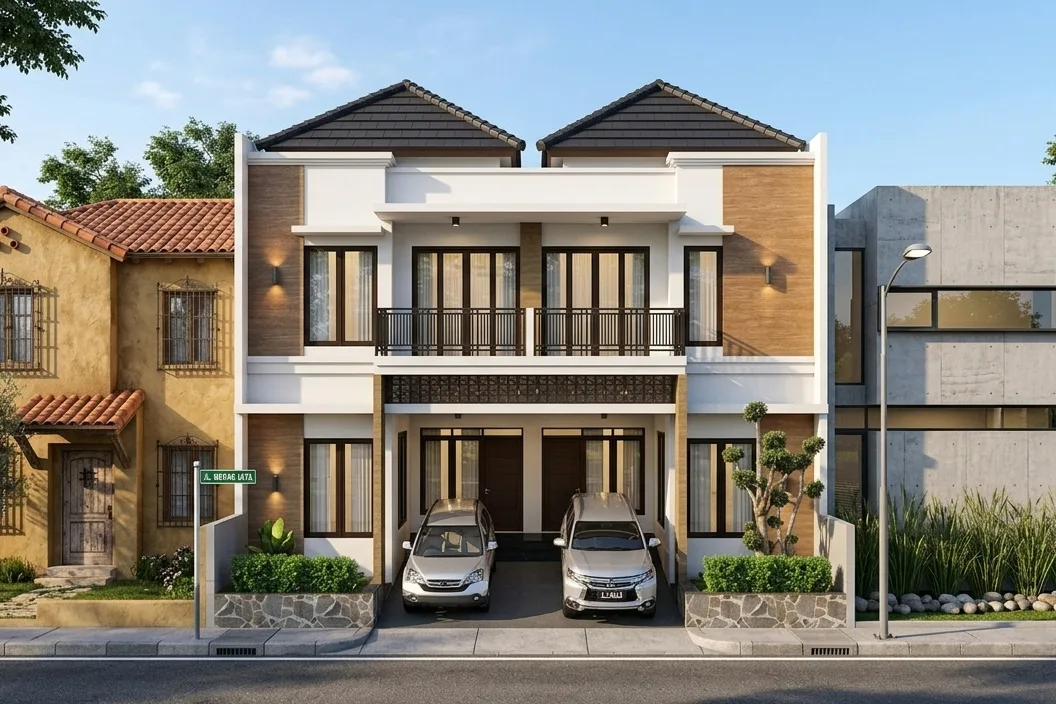 Kontemporer
-50%
Kontemporer
Rumah 12x15
Designed by Fast3D Studio
180 m2
300 m2
2 Lt
Gambar Kerja Tersedia
Harga desain
Kontemporer
-50%
Kontemporer
Rumah 12x15
Designed by Fast3D Studio
180 m2
300 m2
2 Lt
Gambar Kerja Tersedia
Harga desain
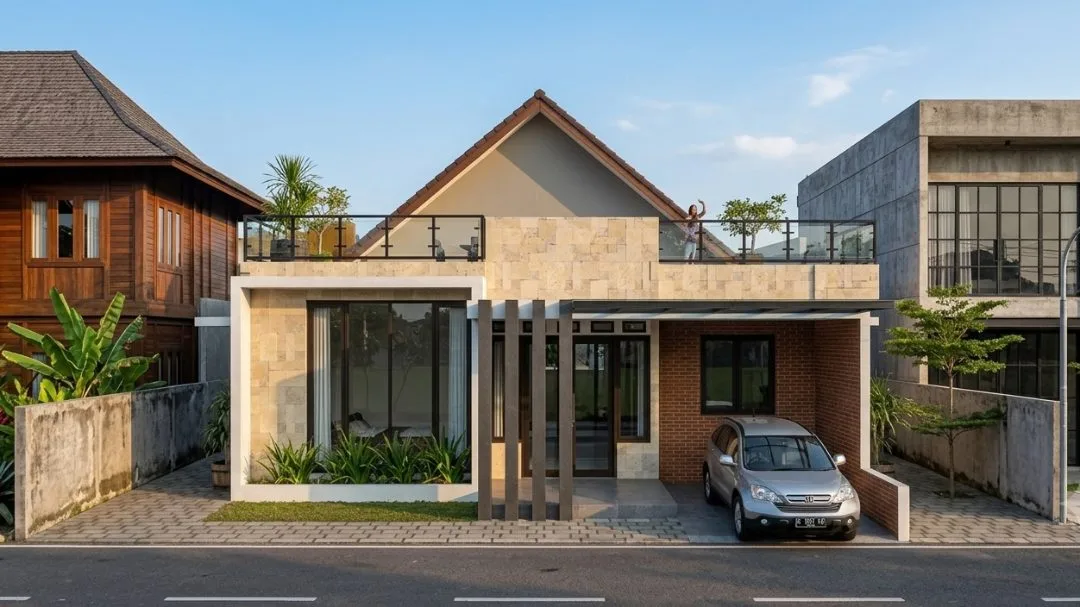 Kontemporer
-50%
Kontemporer
Rumah 10x13
Designed by Fast3D Studio
130 m2
129 m2
4 KT
Gambar Kerja Tersedia
Harga desain
Kontemporer
-50%
Kontemporer
Rumah 10x13
Designed by Fast3D Studio
130 m2
129 m2
4 KT
Gambar Kerja Tersedia
Harga desain
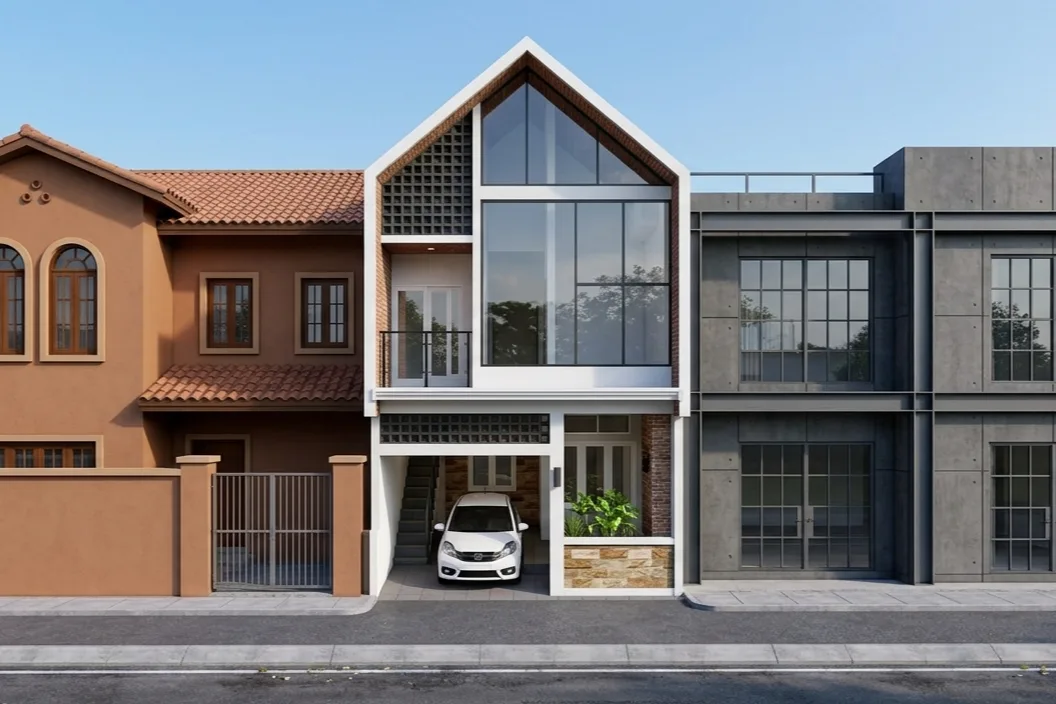 Minimalis
-50%
Minimalis
RUMAH 6X10 (KOST)
Designed by Fast3D Studio
60 m2
120 m2
2 Lt
Gambar Kerja Tersedia
Harga desain
Minimalis
-50%
Minimalis
RUMAH 6X10 (KOST)
Designed by Fast3D Studio
60 m2
120 m2
2 Lt
Gambar Kerja Tersedia
Harga desain