Eco-Friendly Home Indonesia: Sustainable Design That Saves Money
English ArticlesComplete guide to eco-friendly home Indonesia: tips, costs, and practical recommendations for building or buying a home in Indonesia.
Building an eco-friendly home in Indonesia doesn't require expensive imported technology. The best sustainable strategies are simple, local, and actually save money in the long run. Here's your practical guide.
Low-Cost Green Strategies
- Orientation: A well-oriented home can reduce cooling energy by 20–40%. Place living areas facing north or south, minimize east-west exposure, and use the building's orientation to capture prevailing winds for natural ventilation.
- Natural cross ventilation: This is the most cost-effective green strategy. Design every room with openings on two opposite walls. Use high windows (clerestory) to release hot air that accumulates near the ceiling. A well-ventilated home can be 3–5°C cooler than a sealed one.
- Rainwater harvesting: Indonesia receives 2,000–4,000 mm of rain annually. A simple rainwater collection system (gutters, downpipe filter, storage tank) can meet 30–60% of a household's non-potable water needs — garden watering, toilet flushing, car washing, and laundry.
- Solar water heater: An investment of IDR 5–15 million for a solar water heater pays back in 2–4 years through reduced electricity bills. In sunny Indonesia, you can get hot water for free 300+ days a year.
- LED lighting: Replacing all incandescent or CFL bulbs with LEDs reduces lighting energy consumption by 70–80%. The payback period is less than 6 months.
Sustainable Materials
- Locally sourced materials: Using local stone, brick, and timber reduces transport emissions and supports local economies. Java, for example, has excellent terracotta, limestone, and teak.
- Recycled and reclaimed materials: Reclaimed teak wood from old houses and railway sleepers is widely available in Indonesia. It has superior durability to new plantation timber and adds character to any home.
- Bamboo: One of the most sustainable building materials on earth. Bamboo grows rapidly, sequesters carbon, and is stronger than many hardwoods. Modern bamboo treatment techniques (borax-boric acid preservation) make it durable for 20–30+ years.
- Lightweight brick (Hebel/AAC): Less energy-intensive to produce than clay brick, provides better thermal insulation, and reduces structural loading.
Energy Efficiency Design
- Building envelope: Insulate the roof (reflective foil is cheap and effective), use double-layer roofing with ventilation gap, install shading devices on all windows (overhangs, vertical fins, horizontal louvers), and choose light-colored exterior finishes to reflect solar radiation.
- Natural lighting: Design for daylight penetration using skylights, light shelves, and reflective interior surfaces. Good natural lighting reduces the need for artificial lighting by 50–70% during daytime.
- Ceiling fans over AC: Ceiling fans consume 90% less energy than air conditioners. In many Indonesian climates, strategic fan placement can keep spaces comfortable for most of the year, reserving AC for only the hottest afternoons.
Water and Waste Management
- Biogas systems: For homes with garden space, a simple biogas digester converts organic waste into cooking gas and liquid fertilizer. This is more common in rural areas but increasingly adopted in suburban eco-homes.
- Greywater recycling: Wastewater from showers, sinks, and washing machines can be treated through a simple filtration and wetland system and reused for garden irrigation.
- Composting: Setting up a compost bin for kitchen waste reduces landfill contribution and produces free fertilizer for garden plants.
Financial Benefits
While some green features have upfront costs, they deliver real financial returns. An energy-efficient home typically saves 30–50% on monthly electricity bills. Water harvesting reduces PDAM bills. Solar water heating cuts electricity costs. And green homes typically command 10–20% higher resale values in urban Indonesian markets as buyers become more aware of long-term operating costs.
Start your eco-friendly home journey with a well-designed plan from iDEHUNIAN — choose a design that already incorporates passive cooling and natural lighting principles.
Read Next
- Desain Rumah Minimalis 2026.
- Rumah Hemat Energi: Strategi Desain.
- Inspirasi Desain Rumah Terlengkap 2026.
Tips for Building in Indonesia
Building a house in Indonesia requires understanding of local regulations, climate, and construction practices. Always check the land certificate (SHM) before purchasing property. Apply for building permit (PBG) before starting construction — this is mandatory and protects your investment. Work with local architects and contractors who understand tropical climate design principles. Budget for 10-15% contingency fund for unexpected costs. The construction timeline for a standard house is 6-12 months depending on size and complexity. Consider using local materials which are often more suitable for the climate and more affordable. A well-planned house with proper documentation will maintain its value over time.
Produk Terkait
Lihat Semua Produk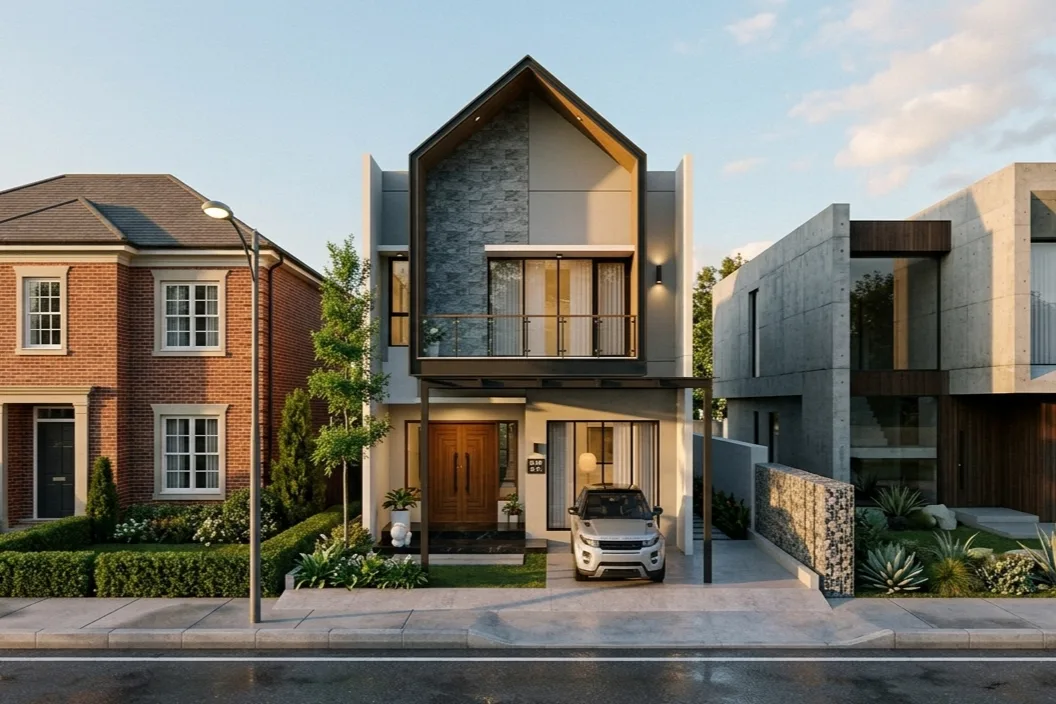 Modern
-50%
Modern
Rumah 7X18
Designed by Fast3D Studio
126 m2
182 m2
2 Lt
Gambar Kerja Tersedia
Harga desain
Modern
-50%
Modern
Rumah 7X18
Designed by Fast3D Studio
126 m2
182 m2
2 Lt
Gambar Kerja Tersedia
Harga desain
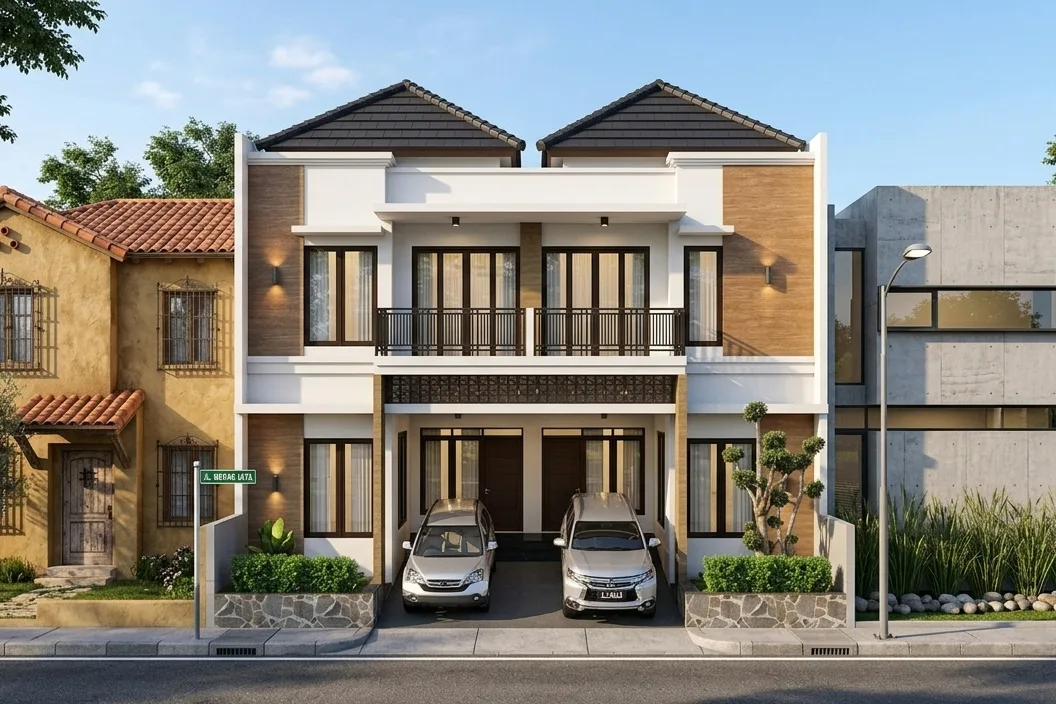 Kontemporer
-50%
Kontemporer
Rumah 12x15
Designed by Fast3D Studio
180 m2
300 m2
2 Lt
Gambar Kerja Tersedia
Harga desain
Kontemporer
-50%
Kontemporer
Rumah 12x15
Designed by Fast3D Studio
180 m2
300 m2
2 Lt
Gambar Kerja Tersedia
Harga desain
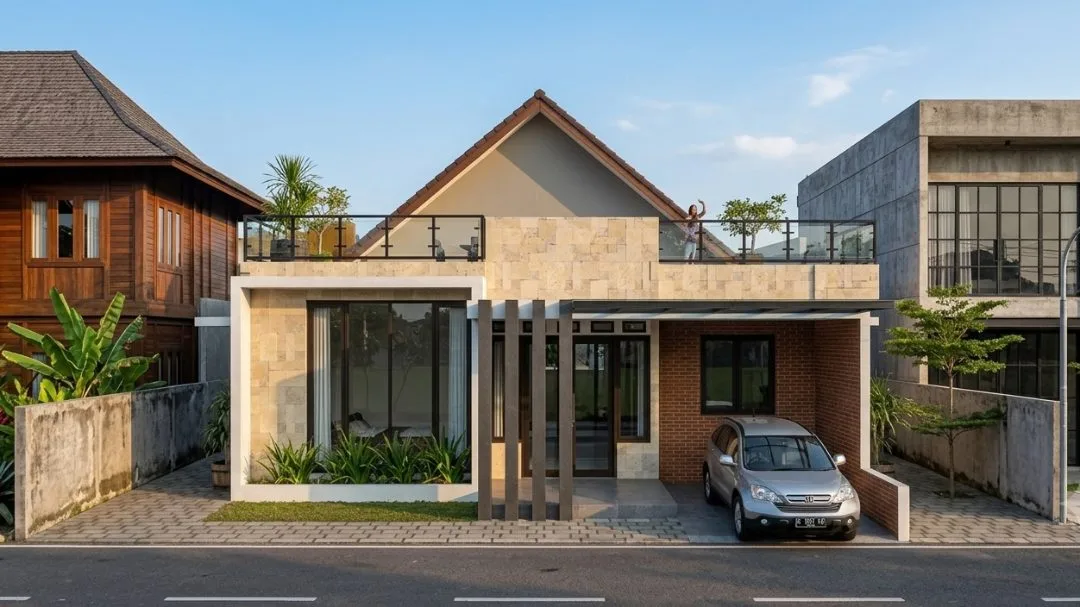 Kontemporer
-50%
Kontemporer
Rumah 10x13
Designed by Fast3D Studio
130 m2
129 m2
4 KT
Gambar Kerja Tersedia
Harga desain
Kontemporer
-50%
Kontemporer
Rumah 10x13
Designed by Fast3D Studio
130 m2
129 m2
4 KT
Gambar Kerja Tersedia
Harga desain
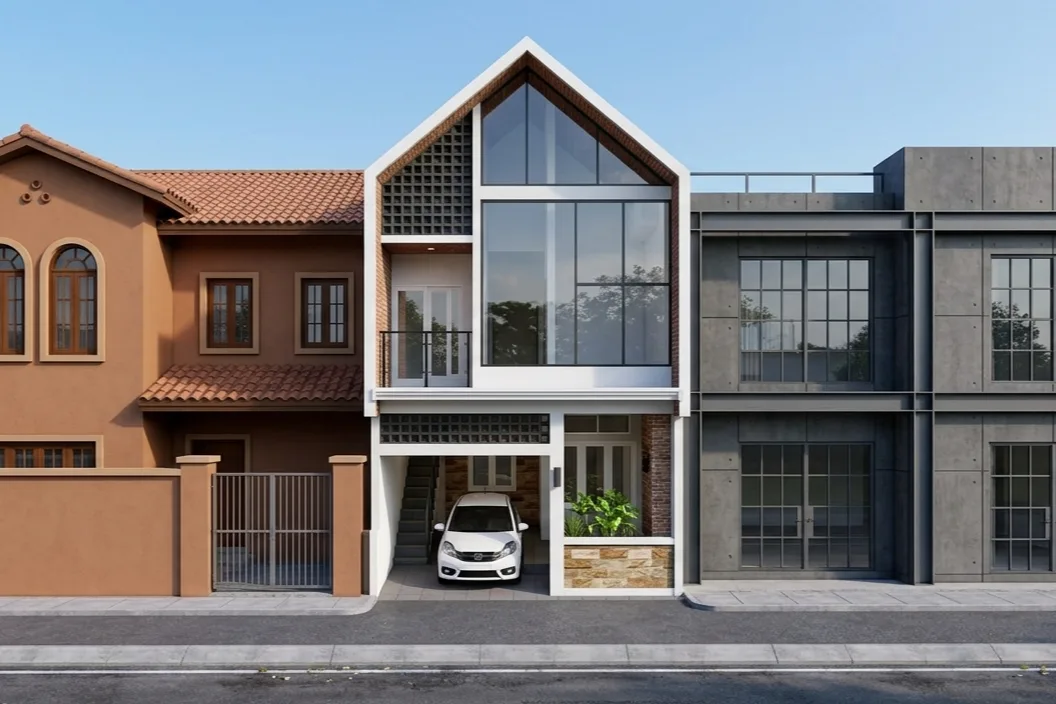 Minimalis
-50%
Minimalis
RUMAH 6X10 (KOST)
Designed by Fast3D Studio
60 m2
120 m2
2 Lt
Gambar Kerja Tersedia
Harga desain
Minimalis
-50%
Minimalis
RUMAH 6X10 (KOST)
Designed by Fast3D Studio
60 m2
120 m2
2 Lt
Gambar Kerja Tersedia
Harga desain